The real estate industry is currently experiencing an interesting time of experimentation, pilot plans, and much learning. So, as many companies continue to return to the physical work mode, we are seeing employees, developers, and investors making new decisions, by trial and error, for adapting to their new workspace needs.
Learning about the hybrid model and how to implement it is the key to including remote or alternative spaces that foster a workspace ecosystem both within and outside the office where employees can feel comfortable and their capacities can prosper.
Keys to Successful Implementation of the Hybrid Model
The workplace should become a complete destination
The office should be a potentiator of experience, more a destination than an obligation. Some companies have raised the bar high, providing their employees with amenities such as food halls, game rooms, rest areas, gymnasiums, and other benefits.
Today these are playing a key role in humanizing the work experience by offering a holistic proposition centered on physical, emotional, and spiritual wellbeing.
Coworking spaces and open-air areas
Professionals are seeking a diverse and flexible work environment that provides them with options beyond those of the traditional office. The demand for alternative and remote workplaces is growing rapidly and has become a key factor for many individuals when deciding on a job.
Ventilated spaces
You need to think about people’s comfort when talking about hybrid working and the return to onsite working. Universal Tower circulates fresh air throughout all core spaces, which have mechanical ventilation that uses a fresh air injector to provide the required flow. Each tenant also has a provision for fresh air supply.
The parking spaces also have natural ventilation through facade openings. The basements, as well, have a mechanical ventilation system that uses injectors and extractors controlled by timers and carbon dioxide and nitrogen dioxide sensors that trigger the ventilators when pollution levels are high.
Light and sound comfort
A study using specialized software was made of interior lighting in order to meet the required lighting levels. The study looked at different lighting options that met effectiveness and energy efficiency specifications.
Natural lighting was also studied to determine how it would behave in core and tenant spaces. The idea was to determine how much light each space would have to keep it from being overly lit. Daylight sensors were then installed to dim the artificial lighting when natural light is sufficient.
In addition, acoustic glass was installed to reduce the level of outside noise, ensuring acoustic comfort inside the building.
Investment in health and wellbeing
Companies should focus not only on improving workers’ physical health through biophilia and wellbeing, but also on building personal and professional relationships for mental wellbeing. Companies that ensure both the physical and mental health of their workers will have a low index of absenteeism. This is important because 4% of the world’s gross domestic product is lost due to the cost of absenteeism, sick leaves, and other benefits, according to the International Labour Organization (ILO).
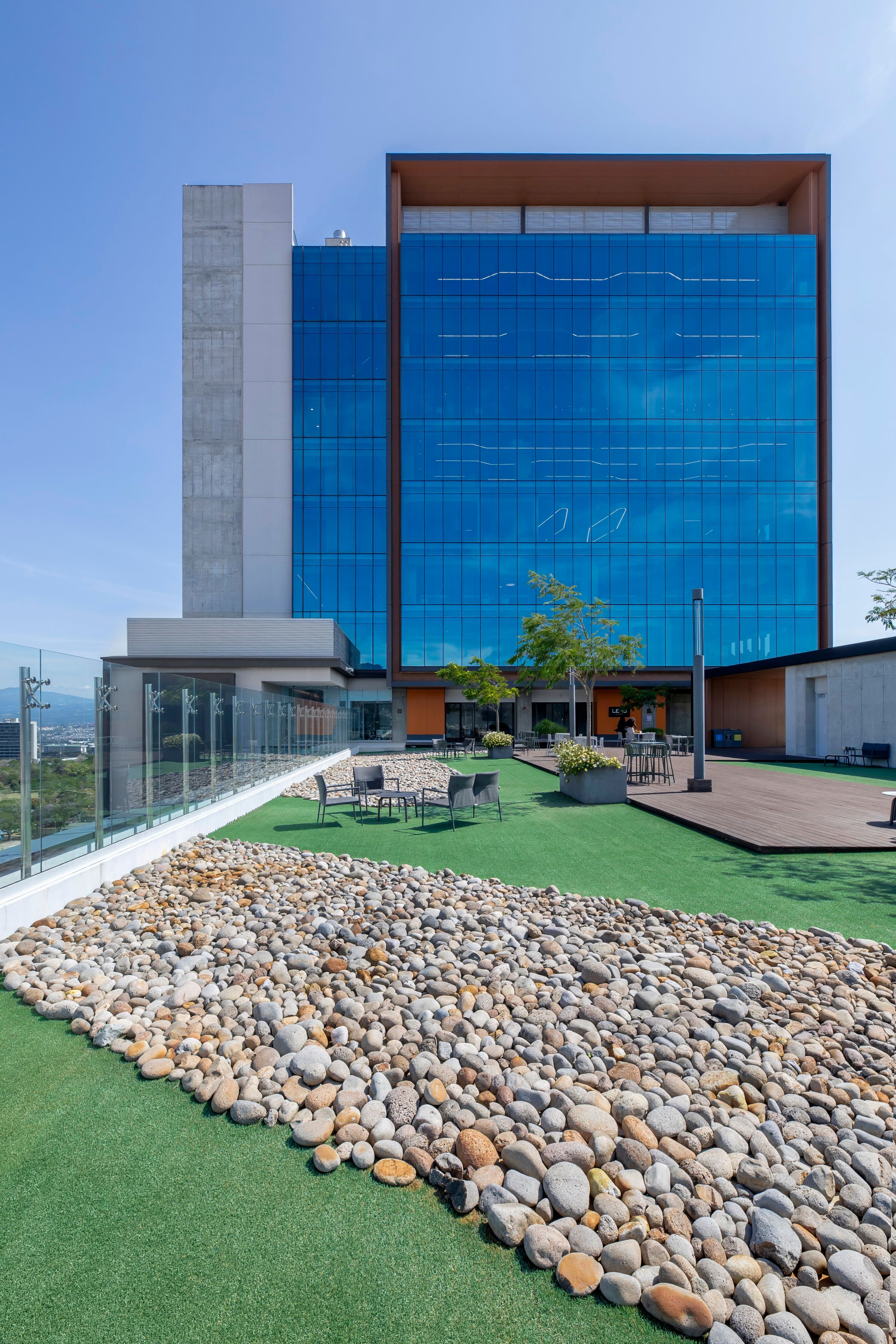
Universal Tower was designed to meet current needs, offering a modern, flexible, collaborative, and people-centered work model. The project is distinguished by its focus on wellbeing, providing open-air recreational spaces such as a raised terrace and a park at the main entrance with a variety of flora and grassy areas, creating a pleasing natural environment. In addition, convenience services such as restaurants and a Banco Promerica branch have been added on the first level to provide occupants with convenience and accessibility.
Networking
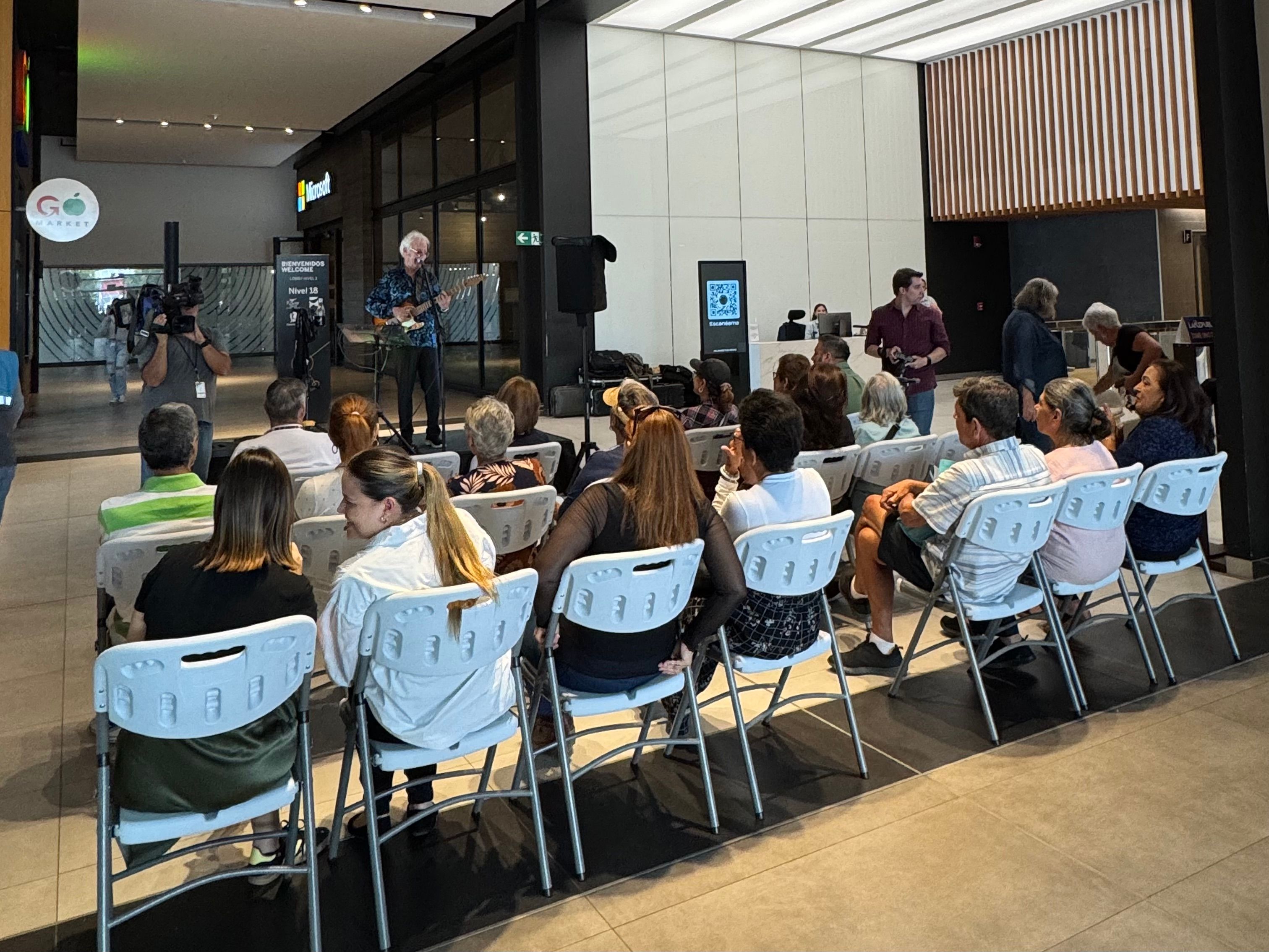
This is another great benefit of Universal Tower since working closely with people and companies that have creative, innovative, and motivating visions creates opportunities for partnerships, innovative ideas, and joint best practices, driving earnings for international and domestic companies. The project has highly prestigious tenants such as Microsoft, Equifax, the European Union, CINDE, and the Chamber of Commerce, among others.
Universal Tower, developed and operated by Portafolio Inmobiliario, is a cutting-edge project rated class A+ that offers an environment of comfort and technology and meets the highest possible safety standards. In its ongoing evolution it seeks to go still further, transforming spaces in terms of innovation, technology, and local economic development.
The successful implementation of flexible hybrid models will depend on the speed with which each organization integrates the corresponding actions into its culture.
Having a partner such as Universal Tower, however, is a huge step in this direction since it leads the real estate industry in innovation, prioritizing the wellbeing of people and providing a modern, collaborative work approach.